Ayahuasca – “Spirituality” with an Aftertaste of Addiction
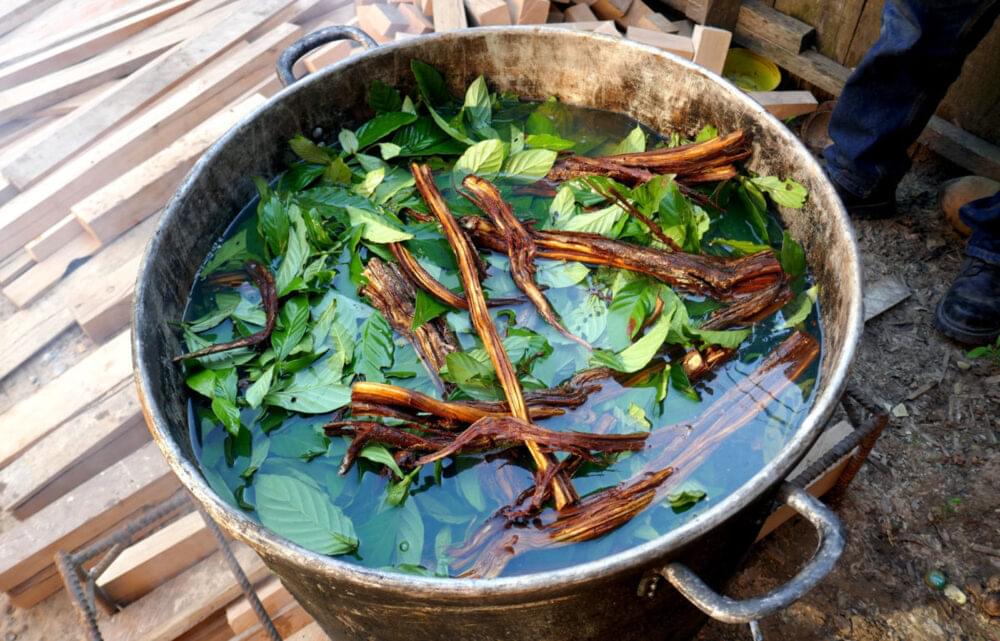
I often hear it said: ayahuasca, mushrooms, all these “consciousness expanders” – they’re supposedly initiation, a doorway to other worlds, a key to enlightenment. But alcohol? Oh, that’s just a way to “relax.” Let’s dig deeper—isn’t there something infantile behind this? Isn’t it childish to seek truth in intoxication instead of facing life head-on?
Take ayahuasca: the jungle, a shaman, a bitter brew—and suddenly you’re on a “spiritual journey.” Or magic mushrooms: eat them, see patterns, talk to “entities.” Sounds like an adventure, but what is it really? Escape. You let chemicals into your brain so they can open a door for you—one you’re too afraid to touch yourself. It’s like a child hiding behind their mother’s skirt instead of stepping into the world. Alcohol is the same story. “I’ll drink to forget”—where’s the maturity in that? Any dependency, whether it’s a bottle or a “sacred” mushroom, is infantilism—an inability to accept reality as it is, without crutches.
Philosophers and psychologists figured this out long ago. Kant wrote: “Enlightenment is man’s emergence from his self-imposed immaturity.” Immaturity is when you don’t trust your own mind and instead seek an external push—be it a drug or a shot of vodka. Jung saw deeper: “Man flees into illusion to avoid meeting the shadow within himself.” Ayahuasca might show you dragons and light, but it’s not yours—it’s a staged spectacle, directed by chemistry. Frankl, who endured the hell of concentration camps, was even harsher: “The meaning of life is not in ecstasy, but in responsibility toward it.” Where’s the responsibility if you dissolve yourself in “expanded consciousness” instead of building it soberly?
The esotericist Gurdjieff hit the same nerve: “Man is asleep, and most of his efforts are but dreams in waking life. Awakening requires work, not potions.” He believed real self-mastery comes from clarity and sobriety—not substituting effort with smoke or brew. And what do “initiates” do through intoxication? They look for shortcuts, like children who want candy without effort. But enlightenment isn’t candy—you can’t drink it or eat it.
Now imagine this: you stand in the middle of life—with its dirt, light, pain, and joy—and look at it directly, without filters, without “expanders.” That is true, full living—when you assess reality soberly, without fleeing into fantasies. A sober mind isn’t boredom—it’s strength. Kant would call it maturity of reason. Jung—meeting oneself. Frankl—finding meaning. Gurdjieff—awakening. And the entities whispering in the jungle or at the bottom of a glass? Let them stay there—they have nothing to offer those already awake.
The conclusion is simple: real enlightenment isn’t a hazy flight on the wings of drugs, but the clear gaze of a sober mind. To live fully is to see without deception, to accept without props. Infantilism drowns in intoxication; maturity shines in clarity.