The Energy of the Full Moon: Light, Shadows, and Unseen Currents
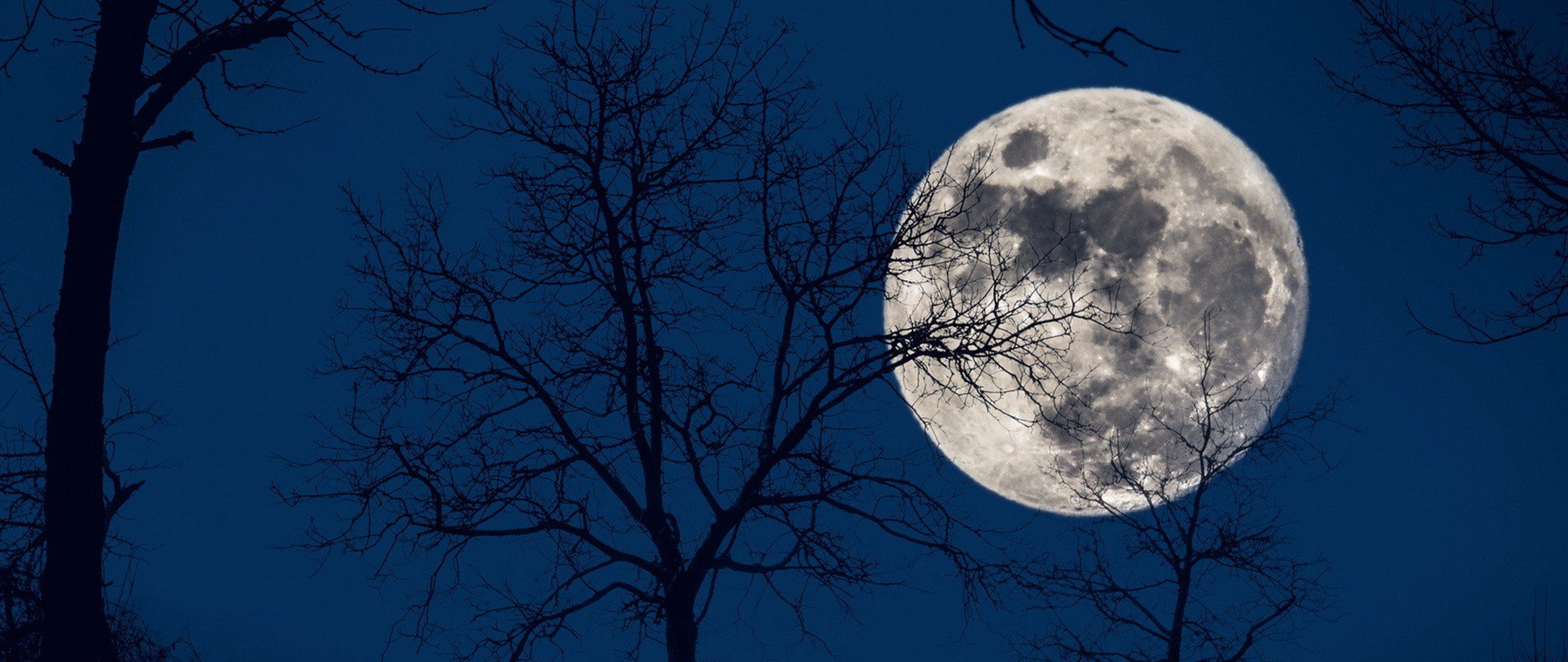
The full moon is not just an astronomical event when the moon shines in its full glory. It is a time when the air trembles, and the world around us feels closer to something transcendent. Have you noticed how everything seems to awaken on such nights? Shadows stir, thoughts hum, and something ancient stirs within. The energy of the full moon is not a romantic fantasy—it’s a reality felt by philosophers, psychologists, and those who walk the paths of magic. Let’s explore what it truly carries and why it stirs us so deeply.
Jung: Moonlight and the Unconscious
Carl Jung did not see the moon as a cold satellite but as a mirror of our soul. He wrote: “The moon is a symbol of the unconscious—its light awakens the archetypes sleeping in our depths.” For Jung, the full moon was a moment when the shadows within us come alive. You may sleep peacefully, but on a full moon night, dreams grow vivid, and emotions sharpen. This energy dredges up what we hide: fears, desires, forgotten images. Imagine standing under its glow and feeling something shift in your chest—it’s not just nerves but a current of the unconscious, awakened by lunar radiance. Jung would say: The full moon is a call to wholeness, a chance to meet your true self.
Philosophers: From Plato to Nietzsche
Philosophers, too, have pondered the moon. Plato, in his dialogues, saw celestial bodies as reflections of the world of ideals. The full moon, for him, was a symbol of perfection—pure form calling us toward the eternal. Yet its energy is dual: it illuminates but also conceals, revealing only fragments of truth. Nietzsche, however, saw it differently: “Night and the moon are the time of the Übermensch—when the weak tremble, and the strong create.” For him, the full moon was not just a spectacle but a surge of power, testing one’s will. Do you feel it? On such nights, you either hide or step forward—there is no middle ground. The moon’s energy, Nietzsche would argue, asks: Are you ready to become more than you are?
Mages and Esotericists: Blavatsky and Crowley
And what of those who ventured beyond thought? Helena Blavatsky, the voice of Theosophy, declared: “The full moon is the peak of astral vibrations—when the veil between worlds grows thin.” She saw it as a time when etheric currents flow freely, allowing humans to touch the unseen. Have you ever meditated on such a night? The air thickens, thoughts resonate, and whispers seem to drift from the shadows. Blavatsky taught that this energy is both creative and dangerous—not everyone is prepared for what lies beyond the veil.
Aleister Crowley, the magician and provocateur, went further: “The full moon is the mother of rituals—her power fuels the will of the mage.” He performed rites under its light, believing the full moon amplified intention, turning it into lightning. For Crowley, this was not mere energy but a tool: Direct it, and the world bends. But without control, it will consume you. Have you felt how everything seems alive on these nights? It’s no illusion—it’s a current running from the moon to the earth, and from the earth to you.
What Does the Full Moon Bring?
So what is this energy? It is light that exposes shadows and a force that tests your essence. Jung would say it calls you to the depths of your soul. Plato—to eternal ideals. Nietzsche—to self-overcoming. Blavatsky and Crowley—to work with the unseen. Imagine standing beneath the full moon as it gazes down—not just shining but asking: What will you do with this? Will you hide in the mundane or step forward?
The energy of the full moon is not merely “beautiful.” It is a time when the world breathes differently, when entities whisper just a little louder, and you must choose: close your eyes or open them wider. It is neither good nor evil—it is alive. And how you meet it depends on you alone. One thing is certain: the demons lurking in the corners are also watching the moon. And perhaps they smile, knowing more than we do.